
From meetings to mountains visit: the SafeNet partners in Cordoba
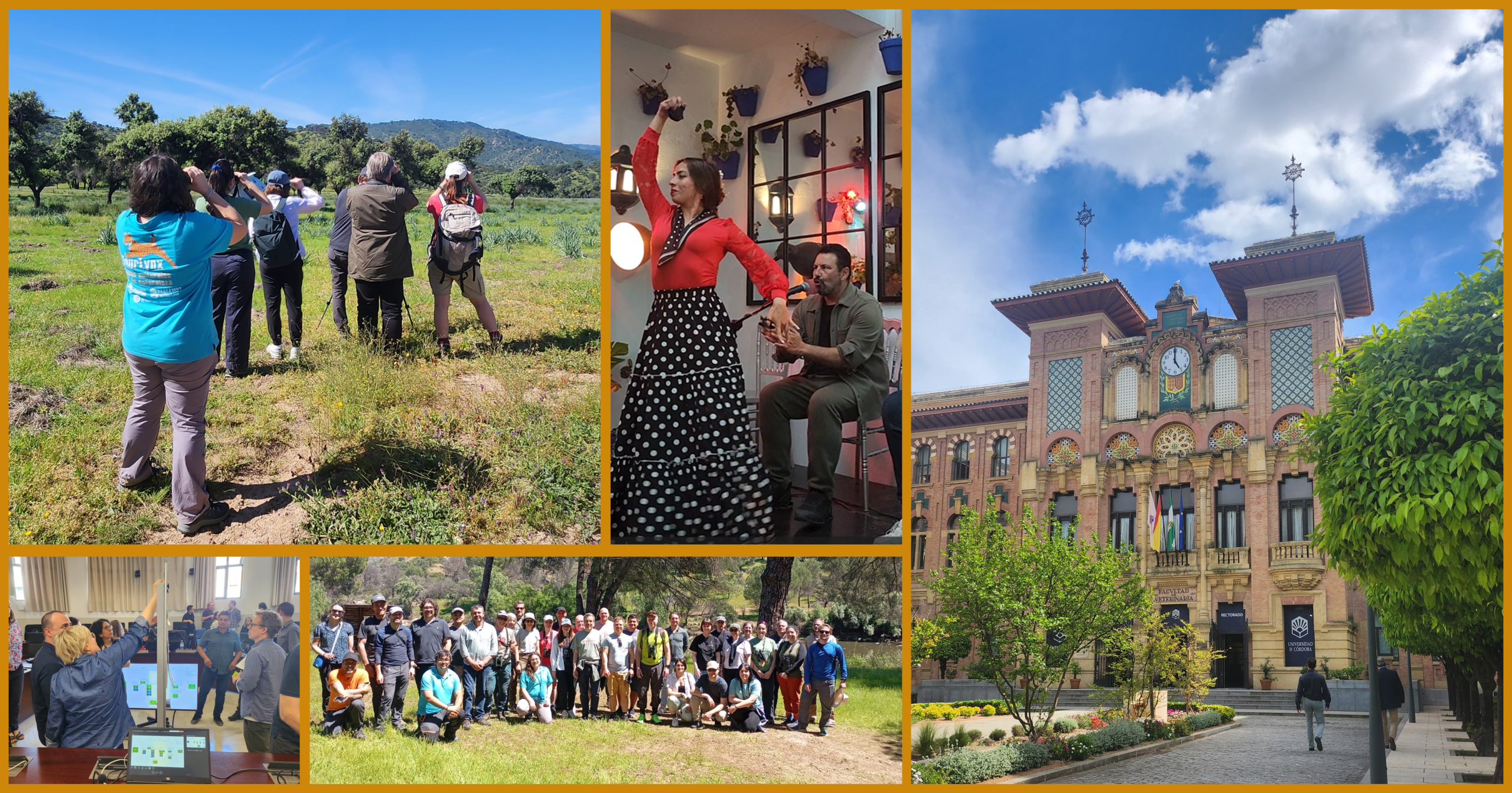
In mid‑April, SafeNet partners came together in Cordoba, Spain, for the project’s annual in‑person consortium meeting, graciously hosted by the University of Córdoba. After months of online calls, it was genuinely refreshing for partners from across Europe to meet face to face, catch up properly, and exchange ideas in person, all while enjoying the spring sunshine in the city of flamenco. The meeting took place over two full days at the University of Córdoba, followed by a field visit to one of SafeNet’s Spanish case study areas in the Sierra Morena.
The first part of the meeting was dedicated to taking stock of what the project has achieved in its first year and looking ahead to the work still to come. Partners shared updates on activities such as mapping carbon stored in European forests, exploring possible future land use paths, including forest expansion, and developing models to better understand how different forest management choices may influence biodiversity and ecosystem services over time. These discussions helped bring together detailed scientific work with real landscapes and practical conservation challenges.
Other sessions focused on how forest management options can be developed together with local actors and then tested through landscape models, helping the project explore realistic and workable pathways for conservation and sustainable management. Partners also discussed how genetic diversity can be considered at the landscape level, in simple terms, looking at how forest species can remain resilient and adaptable as conditions change. While some of the science behind this work is complex, the in‑person exchanges in Cordoba made it much easier to connect ideas, ask questions, and see how different strands of work fit together.
After two days of lively discussions, the meeting wrapped up with a field visit to the Mediterranean landscapes of eastern Sierra Morena. Travelling through oak forests, open pastures and forested hills, partners were able to experience first‑hand the types of landscapes SafeNet works with. Conversations continued outdoors, touching on topics such as fire management, forest regeneration, and the balance between conservation and economic activities, from grazing bison to investing in delicious truffle production. The group also learned more about local efforts to support biodiversity, including measures linked to iconic species such as the Iberian lynx, whose territory overlaps the area visited, and catching a glimpse of this well‑camouflaged animal was sheer luck!
Seeing these landscapes in person helped ground the project’s scientific work in reality and sparked many informal conversations about how research results can best support forest management on the ground.
The mood at the end of the visit was upbeat, and everyone left Cordoba looking ahead to the next in‑person consortium meeting. This will take place in Romania, linked to the Brașov case study area, where partners will explore a very different forest context and, this time, keeping an eye out for bears…